top of page

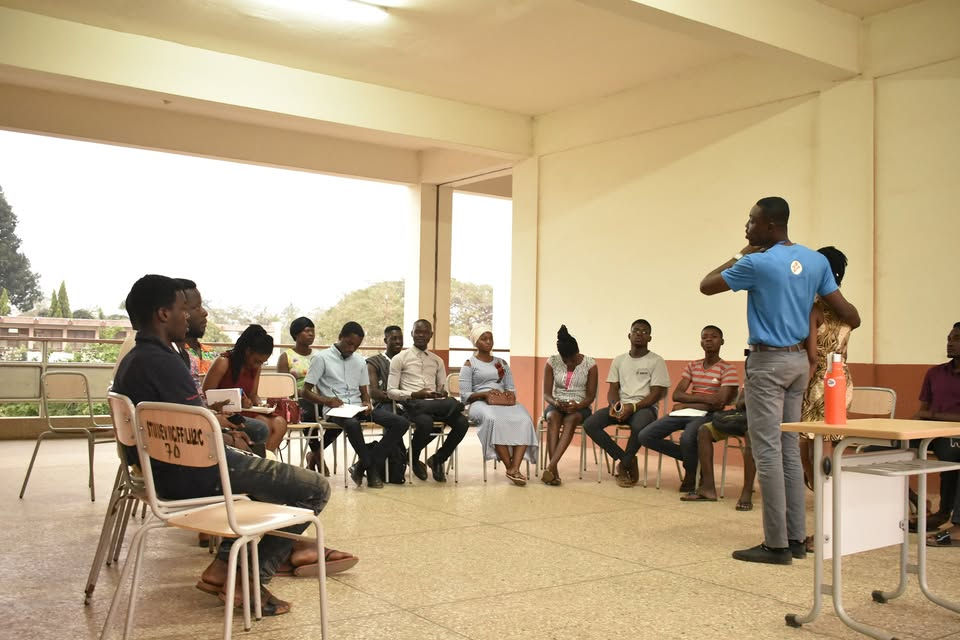
Leadership Training
An annual milestone celebrating the culmination of rigorous training for thousands of tertiary students since 2008, with formal ceremonies instituted in 2017. This event marks the official transition of polished, highly disciplined delegates into impactful roles across business, academia, governance, faith-based institutions, and the family fabric, serving as the official induction into our global diplomatic pipeline.
The Evolution of LED Academy: From Campus Foundation to Global Diplomatic Mentorship
Founded in 2008, the LED Academy began as a targeted, campus-based initiative designed to address a critical gap in traditional tertiary education: the divide between academic theory and the high-level practical execution required in the professional world. What started as an intensive training ground for university students has systematically evolved over nearly two decades into a premier global institutional pipeline, seamlessly integrating its core pillars with the elite international standards of the Chamber of International Diplomats (CID).
The Core Pillars of LED Training
The foundational framework of the academy relies on a rigorous, multi-disciplinary approach centered around three core elements:
Leadership (L): Moving beyond basic management theories, the leadership curriculum anchors students in strict administrative precision, ethical organizational politics, and corporate governance. Students are trained to master institutional dynamics, structured decision-making frameworks, and complex team dynamics.
Entrepreneurship (E): This pillar instills high-level capacity building in strategic resource management, statistical market analysis, and public-private partnership models. It equips emerging professionals with the commercial acumen needed to build resilient ventures and lead organizational development.
Diplomacy (D): The definitive bridge to global operations. Students are trained in structural negotiation, international compliance, intercultural communication, and the precise statecraft needed to navigate multilateral environments.
The Structural Pipeline to the Chamber of International Diplomats (CID)
The modern iteration of the LED Academy functions as the primary youth capacity building and elite leadership mentoring engine for the CID. The transformation from a local student training organization to a global diplomatic incubator operates through a structured, three-tiered progression:
1. The Academic and Analytical Foundation
At the university level, delegates undergo intensive training in research methodology, structural policy evaluation, and analytical modeling. This aligns directly with the macro-political frameworks utilized by the CID Global View, ensuring that students learn to evaluate regional and global affairs through a highly sophisticated, data-driven lens.
2. Elite Professional Mentorship
As students progress, the academy activates its structural pipeline, directly pairing high-potential tertiary delegates with veteran international statesmen, institutional experts, and global corporate executives. This mentorship removes the abstraction from high-level statecraft, embedding strict corporate compliance, administrative discipline, and ethical standards directly into the next generation of administrators.
3. Regional and Continental Integration
Today, the academy's reach extends through the CID's international infrastructure—from Western and Southern Europe to Oceania and the Americas. Exceptional youth delegates from the academy are transitioned into practical diplomatic forums, regional council workshops, and global summits. By participating as student delegates alongside active regional directors, they gain firsthand exposure to international trade compliance, climate diplomacy, and smart-city infrastructure integration.
The Global Institutional Impact
By maintaining an unyielding commitment to systemic equity, strict compliance, and absolute integrity, the LED Academy has successfully bridged the generational gap in global governance. The transition that began in 2008 has culminated in an elite, global network where university students do not merely learn about leadership and diplomacy—they are systematically trained, mentored, and polished to step directly into institutional roles, actively shaping global administrative and diplomatic affairs under the banner of the Chamber of International Diplomats.
Power in Numbers
30
Programs
50
Locations
5000
Volunteers
Project Gallery


bottom of page